Closed for Engagement:
Charnwood proposal to deliver supportive housing for youth at risk of homelessness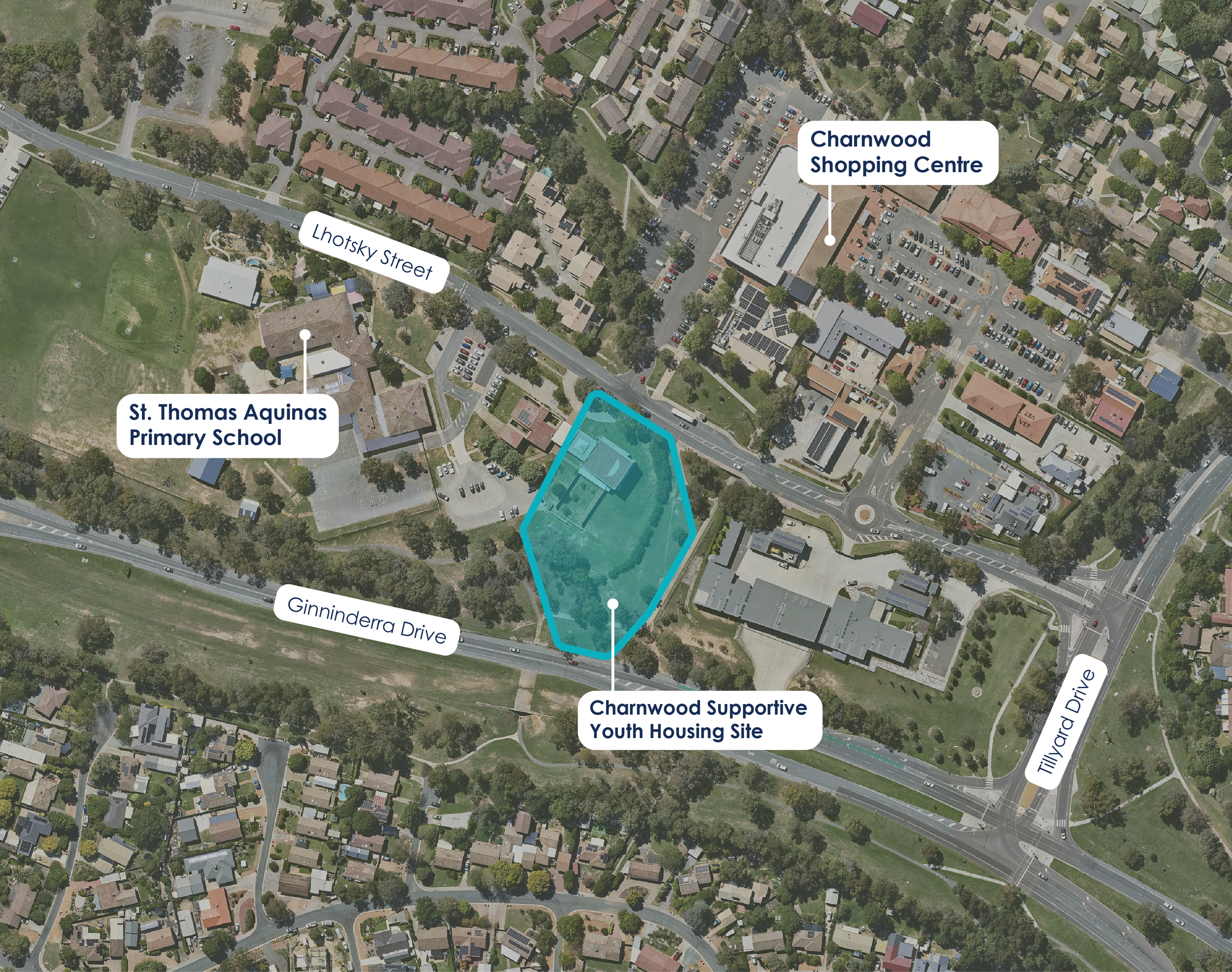
The proposal, being developed and delivered by Marymead CatholicCare, is for a supportive housing development at 19 Lhotsky Street, Charnwood. It intends to provide safe, stable and supportive accommodation for young people aged 16–19 who are at risk of homelessness.
Delivered on underutilised Church-owned land, the development includes self-contained homes, on-site support, shared facilities and landscaped spaces, designed to foster independence, wellbeing and connection while integrating sensitively with the surroundings.
Project OverviewThe proposal responds to a growing need for transitional housing in Canberra while creating positive long-term social outcomes for vulnerable young people. It includes a small-scale, purpose-designed supportive housing community comprising:
Ten self-contained one-bedroom homes for young people aged 16–19
A dedicated on-site support staff residence providing 24/7 supervision and care
A shared community hub with communal cooking, laundry, consultation and social spaces
Landscaped outdoor areas designed to support wellbeing, safety and connection
On-site parking, fencing and boundary treatments integrated sensitively into the surrounding context
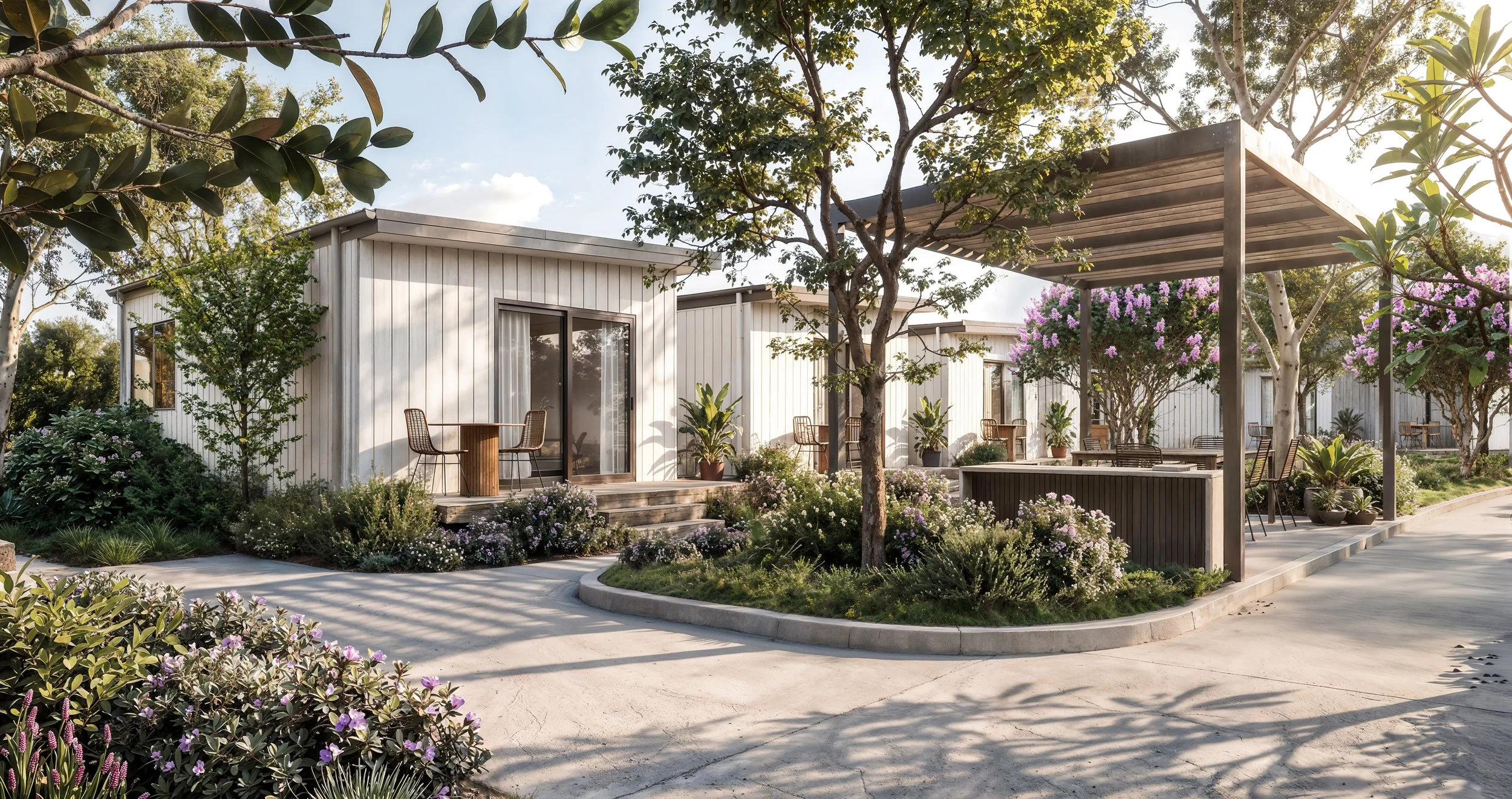
The development has been carefully designed to balance privacy, dignity and independence with structured support and passive supervision. The homes are intentionally domestic in scale and appearance, creating a welcoming residential environment rather than an institutional setting.
More than just housing, the project is designed to provide a supportive environment where residents can build confidence, develop life skills, maintain education or employment pathways and transition successfully into long-term independent living. Residents will be supported by Marymead CatholicCare through tailored programs across these focus areas.
The proposal responds to a growing need for transitional housing in Canberra while creating positive long-term social outcomes for vulnerable young people.
Community consultation was open from the 2nd to the 26th of July. During this time, community members were invited to learn more about the proposal and share their feedback through the online engagement portal.
This engagement was undertaken prior to lodgement of a Development Application and will help inform the ongoing development of the proposal.


Feedback FormEngagement closed.

The proposal addresses a recognised gap in youth homelessness services across Belconnen, where there is currently no dedicated supportive housing for young people aged 16–19 experiencing, or at risk of, homelessness. Establishing the development in Charnwood will help provide this much-needed service in Canberra's north-west, allowing young people to remain connected to their local community, education, employment and support networks.
The site at 19 Lhotsky Street, Charnwood has been selected due to its strong access to public transport, shops, schools, recreation facilities and community services, helping ensure young residents remain connected to education, employment and daily life.
Importantly, the site does not directly interface with existing residential homes. It is bounded by Lhotsky Street to the north, Ginninderra Drive to the south, the adjoining church to the west and public reserve land and emergency services uses to the east. This allows the proposal to operate as a small, well-managed and self-contained residential setting.
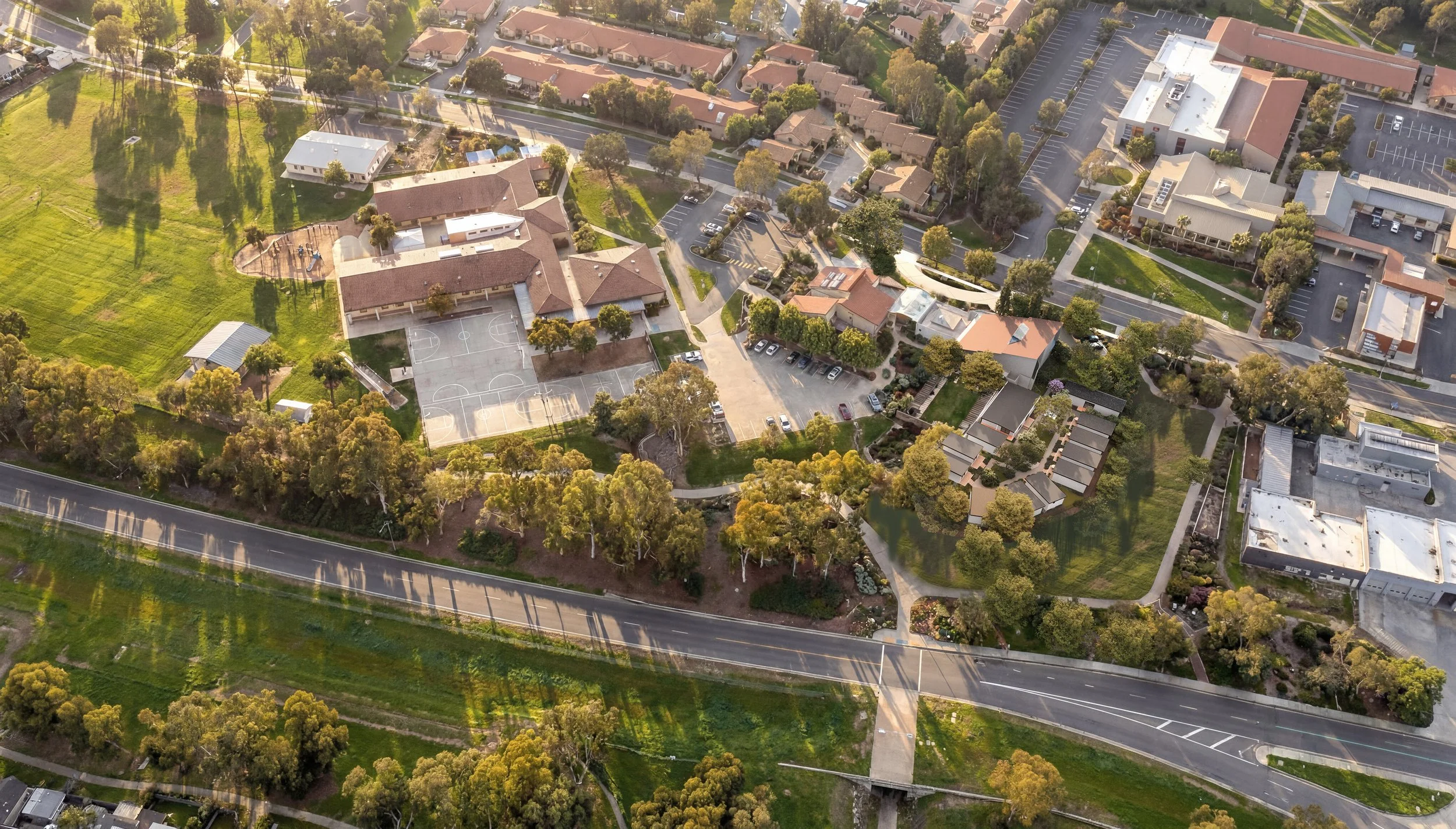
The design has been informed by the surrounding context, with careful consideration given to landscaping, building materials, scale and site layout to ensure the development integrates respectfully with the church precinct, nearby public spaces and the broader Charnwood community.
Detailed Project InformationProposal
-
In partnership with the Charnwood Parish, Marymead CatholicCare, a trusted local Community Housing Provider (CHP), is proposing an innovative housing model to support young people who are homeless or at risk of homelessness in our community.
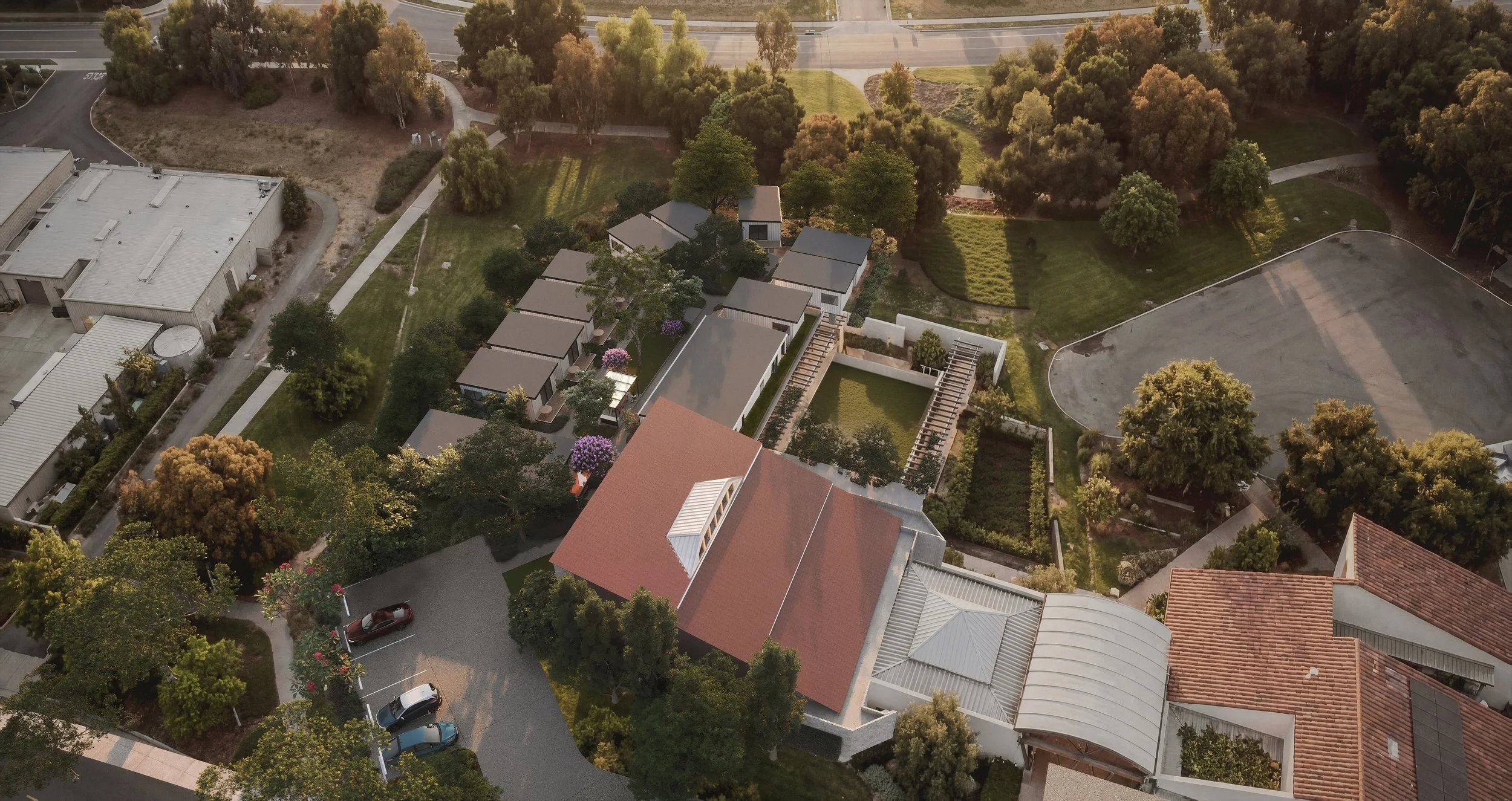
The proposal includes a small, well-managed residential setting designed specifically for young people aged 16–19. The development comprises:
Ten 1-bedroom self-contained supportive housing units for single young people who are at risk of, or experiencing, homelessness
One 1-bedroom on-site support staff unit, staffed 24/7 on a rotating roster
A community building with shared cooking, laundry, consultation and leisure spaces, supporting residents to develop essential life skills and self-sufficiency. Landscaping throughout the site, including a central open space and planted surrounds to support wellbeing and connection
Perimeter fencing to ensure the safety, privacy and security of residents and neighbours
Parking provided to support site operations, with scope for shared or flexible use as needed.
The proposal is focused on providing more than just housing; it is about creating a safe, supportive place where young people can build skills, stability and a pathway to long-term accommodation, contributing to a stronger and more inclusive local community.
-
The proposal has been shaped by a growing recognition of the housing challenges facing Canberra, particularly the increasing number of young people experiencing homelessness or housing insecurity.
Marymead CatholicCare, as the social services arm of the Catholic Archdiocese of Canberra and Goulburn have a long-standing commitment to social justice and community support. In response to rising housing need and limited availability of suitable land, the organisation is seeking to use Church-owned land in a way that delivers clear community benefit.
By partnering with experienced local organisations, the proposal leverages existing Church assets, strong governance and on-the-ground expertise to help deliver a practical, compassionate response to youth homelessness. The focus is on providing not just housing but improved long-term outcomes for vulnerable young people through stability, support and pathways to independence.
-
The program will support young people aged 16–19 years who are experiencing, or at risk of, homelessness. Participation will be contingent on engagement in education or employment, reinforcing pathways to stability, independence and long-term wellbeing.
Marymead CatholicCare will work collaboratively with local youth and homelessness service providers to receive and assess referrals for the program, ensuring participants are appropriately supported and connected to relevant services.
-
Yes. Residents will be required to pay rent, consistent with the principles of supported and transitional housing. Rent will be set at a below-market level to ensure affordability, while also helping residents build budgeting skills and prepare for longer-term, independent living. The exact rent levels will be determined closer to operation and will consider residents’ individual circumstances and income.
Charging rent is an important part of the model, as it supports dignity, responsibility and readiness for future housing, while ensuring the program remains sustainable over time.
-
The proposal has been designed with a focus on providing young people with safe, stable housing alongside structured support to help them build independence and transition into long-term accommodation. To this end the proposal:
Provides self-contained homes that support privacy, dignity and personal responsibility
Includes 24/7 on-site support from experienced youth and social workers
Uses a small, well-managed site layout that promotes safety, clear sightlines and passive supervision
Incorporates a Community Hub where staff and residents can come together to learn independent living skills, participate in cooking classes, access study support and use shared laundry facilities, fostering daily routines, social connection and life‑skills development.
Creates a calm, inclusive environment that supports wellbeing, learning and positive behaviour
At the same time, the proposal has been deliberately designed as a transitional housing model, not permanent accommodation. Residents are supported to stay for a defined period while they:
Engage in education, training or employment
Develop practical life skills and independence
Build confidence and stability
Prepare for the next step into longer-term housing
The overall intent is to provide a supportive stepping stone - a stable home where young people can reset, grow and move forward, rather than an open-ended or institutional form of accommodation.
-
West Belconnen currently has no services for young people at risk of or experiencing homelessness. The site has been chosen because it is well located, with immediate access to transport, services and a strong community context. It sits directly opposite the Charnwood shops and a local bus stop, giving residents access to everyday amenities, public transport and employment opportunities. It is also in close proximity to local high schools and colleges, supporting access to education and strengthening pathways to stability and independence. Parks, recreation facilities, walking and cycling paths are also nearby, further supporting an active and connected lifestyle.
Importantly, the site does not interface with existing residential homes. Instead, it is bounded by:
Lhotsky Street to the north
A public pedestrian walkway and adjoining strip of reserve land to the east, adjacent to the West Belconnen Ambulance and Fire Station
Ginninderra Drive to the south
The existing church, the Parish of Our Lady of the Sacred Heart, to the west.
This setting allows the development to operate as a small, self-contained and well-managed site. The site currently benefits from existing screening along the road and public walkway, although some vegetation in poor condition may need to be replaced as part of the proposed fence line, subject to arborist advice. Building materials, colours and siting will be carefully considered to ensure the development is respectful of its surroundings and responds sensitively to its interface with the adjoining church, recognising its ongoing role as a valued community facility.
-
The proposal includes purpose-designed, one-bedroom homes that prioritise comfort, privacy and a sense of pride for residents.
Each unit will include:
A separate bedroom
A light and bright living and dining area
A kitchenette suitable for everyday use
A separate bathroom, rather than a studio layout
Thoughtfully designed storage and internal layouts.
The decision to avoid studio-style accommodation is intentional to allow support workers to enter the unit when needed without intruding on personal sleeping space, thereby supporting both privacy and dignity for residents while maintaining appropriate care and oversight.
To the extent possible some of the units are being designed to Liveable Housing Australia (LHA) Silver Standard, to ensure they can accommodate a range of physical needs and provide flexibility over time.
Inclusions, finishes and internal layouts are being carefully considered to create homes that feel comfortable, welcoming and well cared for, rather than temporary or institutional. The aim is for residents to feel a genuine sense of pride and belonging in their home, supporting wellbeing and positive outcomes.
-
The proposal has been designed to maintain and enhance local amenity values, with careful attention to building quality, landscaping and how the development relates to its surroundings. It includes high-quality, purpose-designed modular units, finished in durable materials such as Colorbond panelling and designed with aesthetics, longevity and comfort in mind. Just as importantly, careful attention has been given to how the buildings sit together and relate to their surroundings.
Landscaping is a key element in anchoring the units to the site, helping ensure they feel embedded within their setting. The landscape design is being led by Made LA, a Canberra-based landscape architecture practice known for thoughtful, place-responsive design. Landscaping, outdoor spaces and boundary treatments are being carefully considered to soften the built form, establish a clear sense of arrival and create a cohesive overall environment that responds positively to the surrounding streets and public spaces.
-
The residential units are being supplied by Country Custom Buildings, a family-owned modular building company based in Gundaroo, just north of Canberra. Procuring the units locally supports regional businesses and reduces transport distances and associated impacts.
Country Custom Buildings specialises in the design and construction of high-quality off-site manufactured units. The units proposed for this project will be purpose-designed to meet the needs of young people, rather than being standard or “off-the-shelf” products.
The buildings are manufactured in a controlled workshop environment before being transported a short distance to site for installation. This approach allows for:
High construction quality and consistency
Reduced on-site construction time and disruption to neighbouring properties
Improved safety and environmental performance
Greater cost efficiency compared to traditional on-site construction.
All units will comply with ACT planning and building requirements and will achieve a minimum 7-star energy rating, supporting comfortable, durable and sustainable homes for residents.
Urban Planning
-
The site is currently owned by The Roman Catholic Church for The Archdiocese of Canberra and Goulburn and forms part of the local Parish of Our Lady of the Sacred Heart.
-
The site is zoned as Community Facility Zone. Under the Territory Plan, community housing and supportive housing are permitted in this zoning. Adaptable tiny homes, while an emerging built form, will be delivered to meet these zoning requirements.
-
It is proposed to add community housing to the lease alongside religious or church use.
-
The ACT planning process requires a development application (DA) to be lodged with the Territory Planning Authority. The DA must include detailed plans and supporting technical studies. Once lodged, the proposal will undergo public notification, agency review and assessment against legislation and planning rules before a decision is made. There will be formal opportunities for community input as part of this process.
Engagement
-
You can share your thoughts via the feedback form on the project webpage https://www.purdon.com.au/charnwood-supportive-youth-housing
-
The purpose of this engagement is to provide clear and accessible information about the proposal and the need for this type of development. This engagement also allows for community feedback before the Development Application is lodged.
-
Consultation closes at 11:59pm on Sunday 26 July 2026.
-
This is an early-stage, voluntary consultation. It is being undertaken before a Development Application is lodged. Once lodged, the Development Application will be subject to public notification, providing a further opportunity for public comment.
-
All feedback will be reviewed and considered to help identify local issues and opportunities, with the potential for refinement of the proposal prior to lodgement of the Development Application.
-
A community engagement report will be prepared following the consultation period. The report will form part of the Development Application submission, which will be publicly available during the Development Application public notification period.
Project TeamMarymead CatholicCare is leading the project and will operate the supportive housing program, providing ongoing support services for residents.
Purdon is leading the urban planning and community engagement process for the proposal.
Kasparek Architects is leading the architectural design of the development, focused on delivering a safe, welcoming and well-integrated residential environment.