
Bourke StreetREDEVELOPMENT
234 Bourke Street, Goulburn
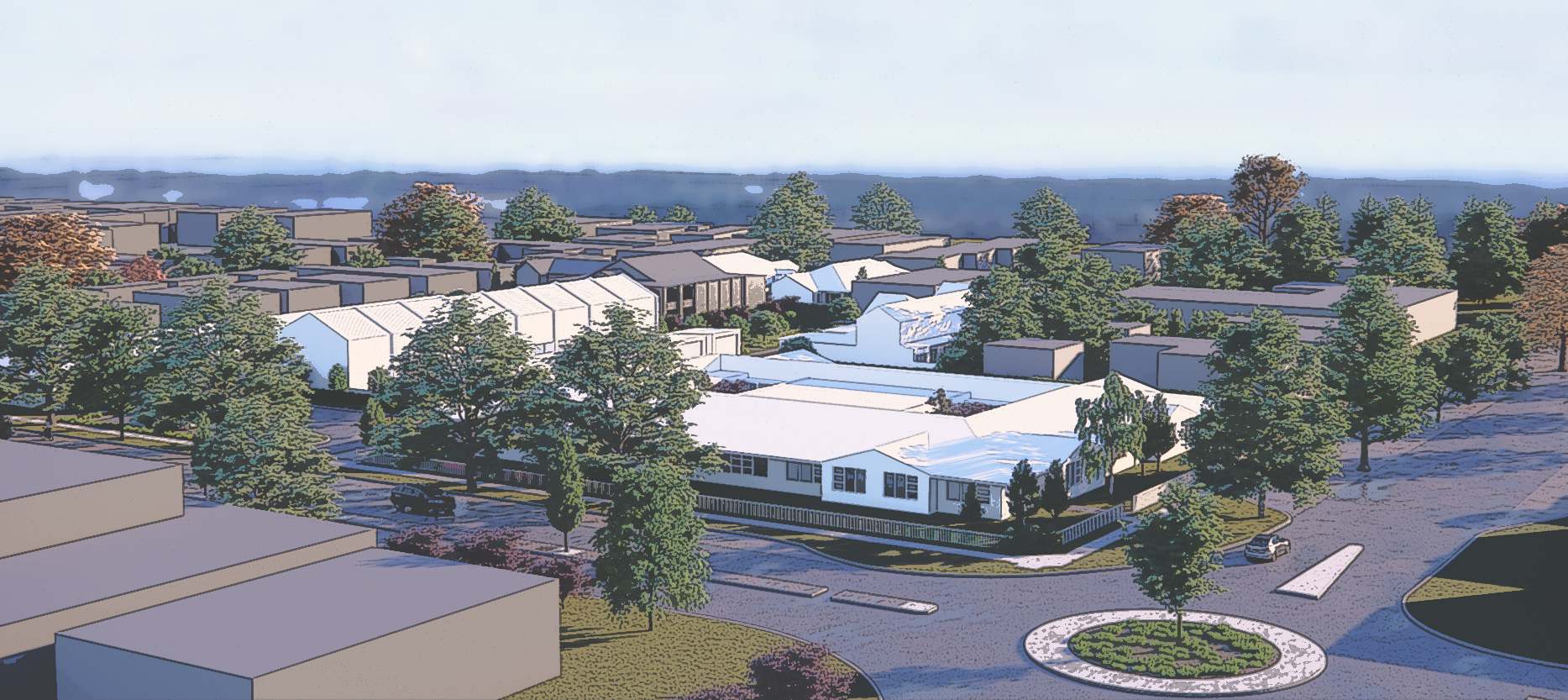
The proposal envisions transforming this historic site into a welcoming, mixed-use precinct that celebrates its heritage while embracing Goulburn’s future. Mandala House will be preserved and enhanced, Marian Wing will be reimagined as quality short-term accommodation and new townhouses will provide modern homes for local families and downsizers.
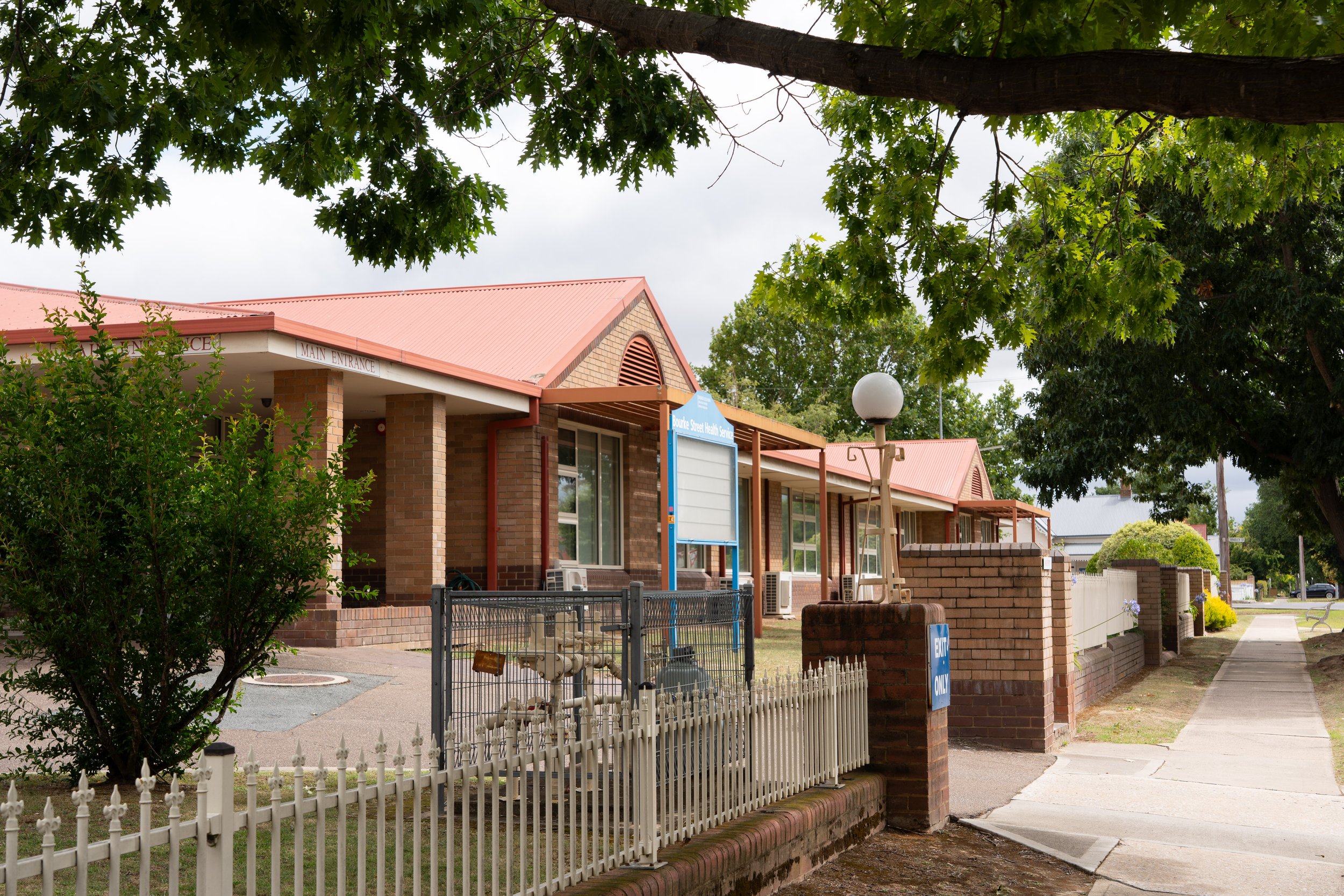
Project OverviewSouthern NSW Local Health District (SNSWLHD) has operated health services on the site since around 2005. In 2021, SNSWLHD formally notified the Catholic Archdiocese of Canberra and Goulburn of its intention to vacate 234 Bourke Street. The relocation of services occurred progressively over several years and as of early 2026, SNSWLHD no longer delivers health services from the site.
Why aren’t health services continuing to be delivered from the site?
The Catholic Archdiocese of Canberra and Goulburn are seeking early community feedback on the proposed redevelopment of the former St John of God Hospital site. The following information has been collated to help the community understand the proposal and the key factors which have shaped it’s development to date.
Over the past several years, the Archdiocese has explored opportunities for continued health or aged-care use of the site. The preferred outcome was the continued delivery of health-related services, however, following a broad expression of interest process including direct approaches to 23 health and aged care service providers, no providers were prepared to operate health services from the site. As a result, alternative uses have been investigated with a focus on finding a respectful and viable future for the site to avoid it remaining vacant.
Proposed Development
Preservation of Mandala House: Retain and enhance Mandala House to support the continued operations of We Help Ourselves, while improving its heritage presentation and contribution to the streetscape.
Adaptive Reuse of Marian Wing: Convert the newer Marian Wing into a motel, offering much-needed short-term accommodation, particularly for those visiting Goulburn Base Hospital.
Redevelopment of Former Hospital Areas: Demolish the aged St John of God Hospital building to create opportunities for high-quality, contemporary redevelopment.
New Residential Development: Introduce a mix of single and two-storey townhouses that provide diverse housing options for families and downsizers alike.
Enhanced Public Amenity: Create attractive, connected landscaped spaces that foster community interaction, wellbeing and a strong sense of place.
Heritage ContextThe heritage value of the buildings on the former St John of God Hospital Site has been a key focus while developing our site strategy. Our process has included:
Taking professional heritage advice to understand the heritage value of each building
Investigation of potential adaptive re-uses of the buildings with market testing and inquiries to prospective users
Consideration of the financial and functional viability of retention.
As a result of these efforts, it was determined to:
Adaptively reuse the Marian Wing
Retain Mandala House, the building with highest heritage value, and bring this building into clearer focus via a new green avenue from Bourke Street
Demolish the St John of God Hospital Building
Why is the St John of God building proposed to be demolished?
Unfortunately, the former hospital building is no longer suitable for contemporary health or aged care use. Its age, complex layout and high operating costs have been key reasons why potential health service providers have chosen not to operate from the site.
The building was extended incrementally over more than 50 years, resulting in inefficient circulation, limited natural light and outdated building systems that are expensive to run and difficult to upgrade. Parts of the building are also affected by age-related issues such as damp, subsidence and leaks, which cannot be readily resolved through renovation.
While the building incorporates an original dwelling, successive additions have largely obscured this structure and the building is not an intact or cohesive example of a particular historical period. Some individual elements of heritage interest have been identified and opportunities to retain or reinterpret these are being explored.
This is a difficult outcome, reached only through thorough investigation. Our intent now is to ensure that:
Heritage-significant elements are conserved and celebrated
The site’s history is interpreted and reflected through design
New built form contributes positively to the streetscape and surrounds.
We acknowledge the community’s connection to this place and the values attached to its heritage. We welcome feedback to better understand those values and allow our team to reflect them through design outcomes.
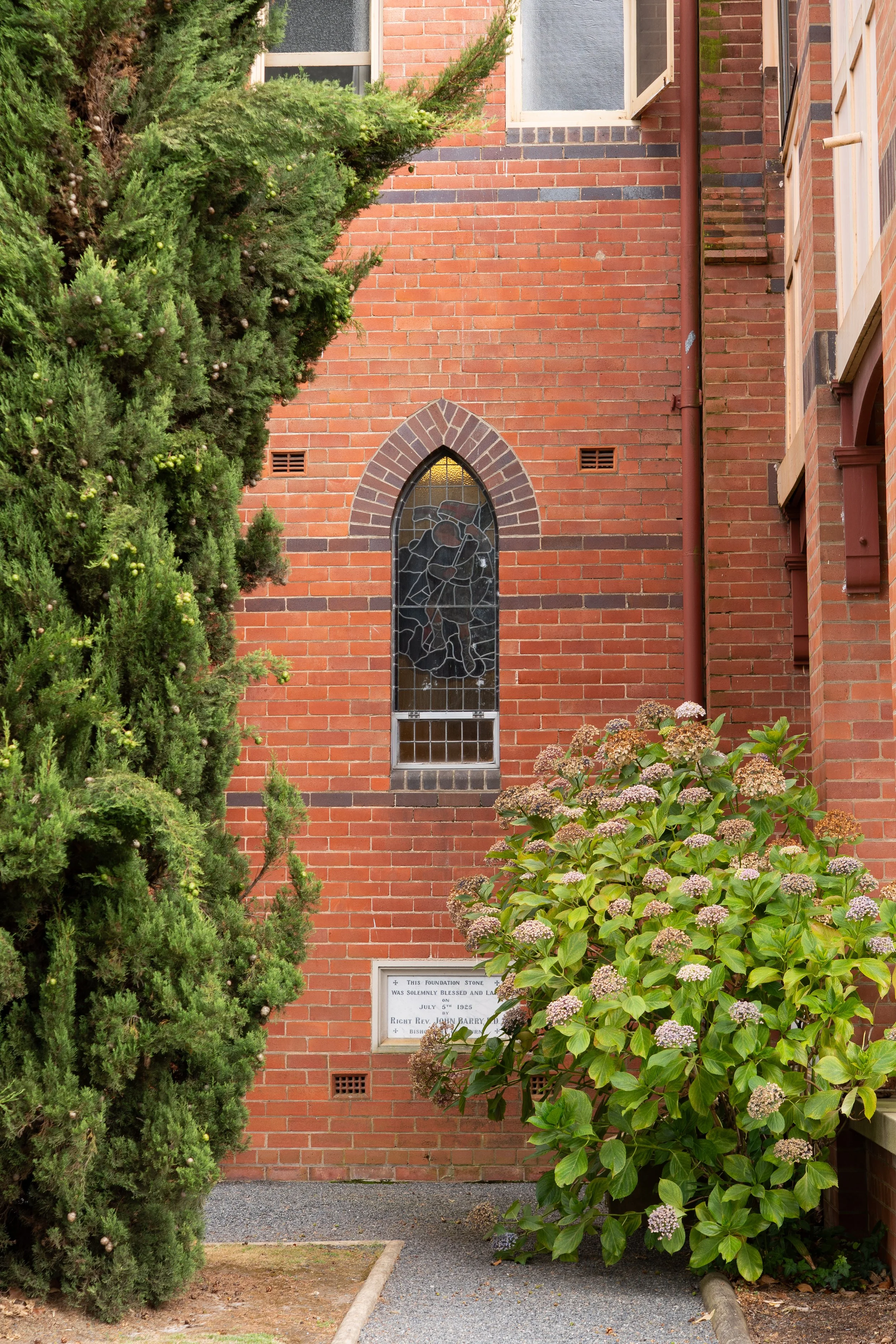
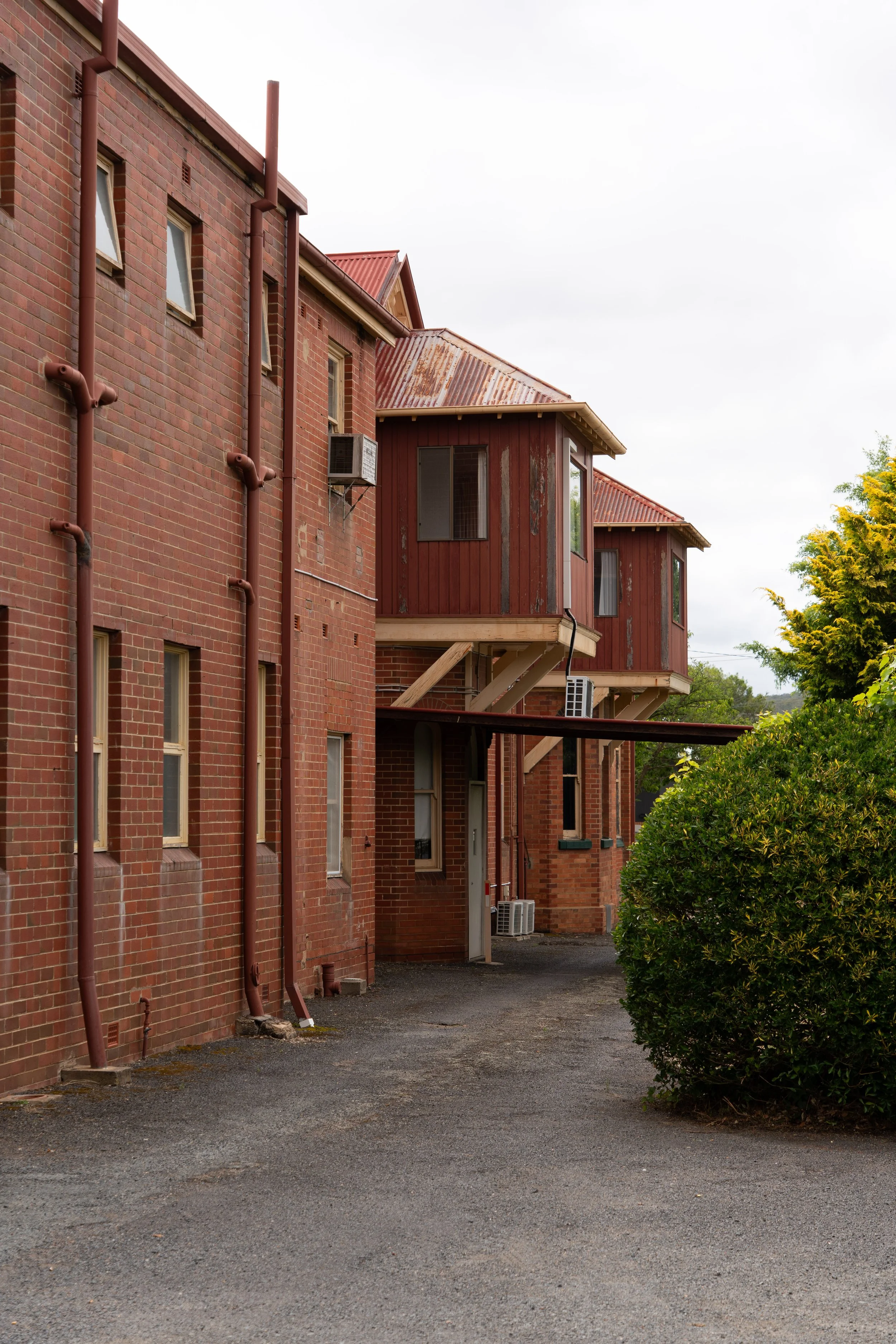
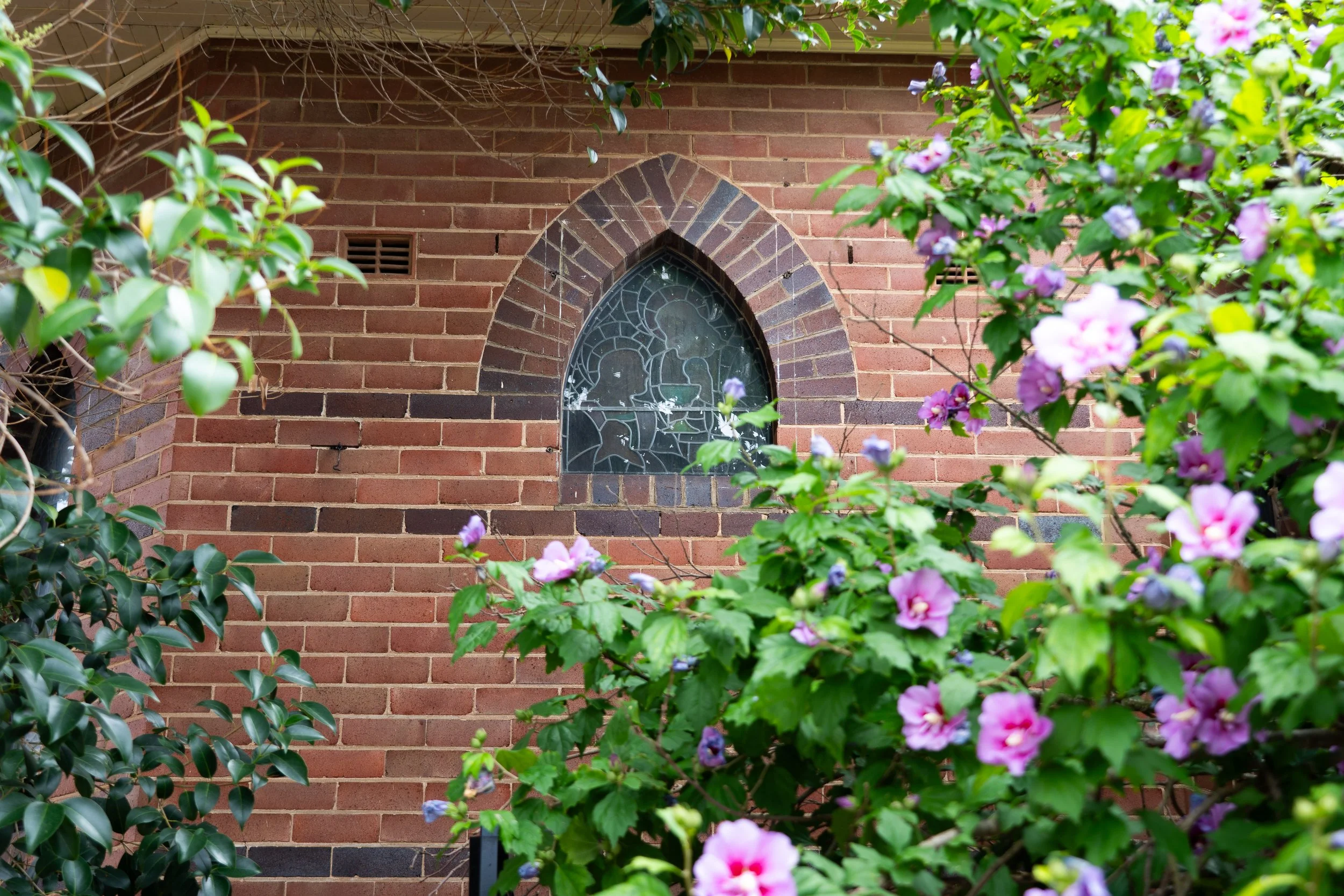
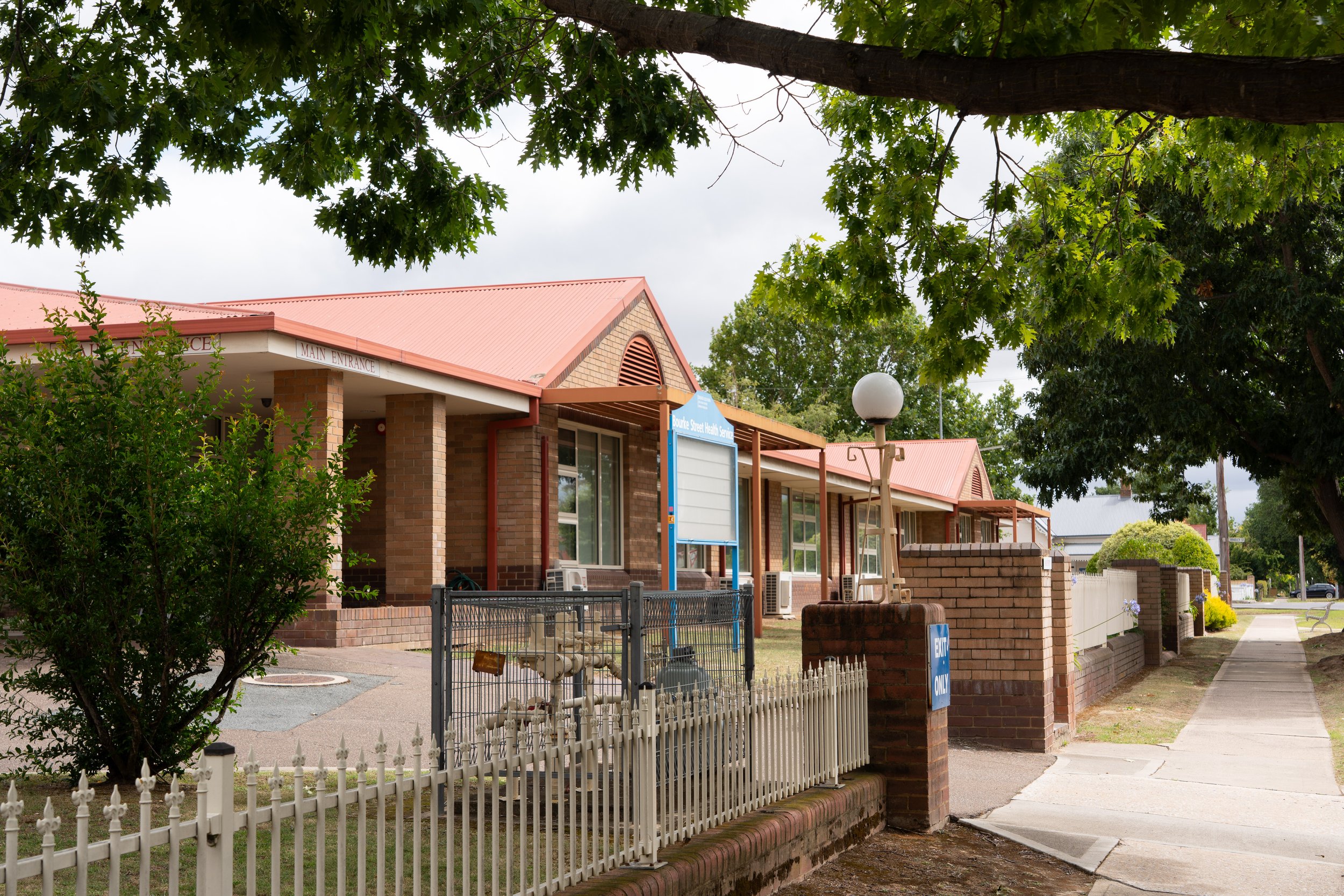
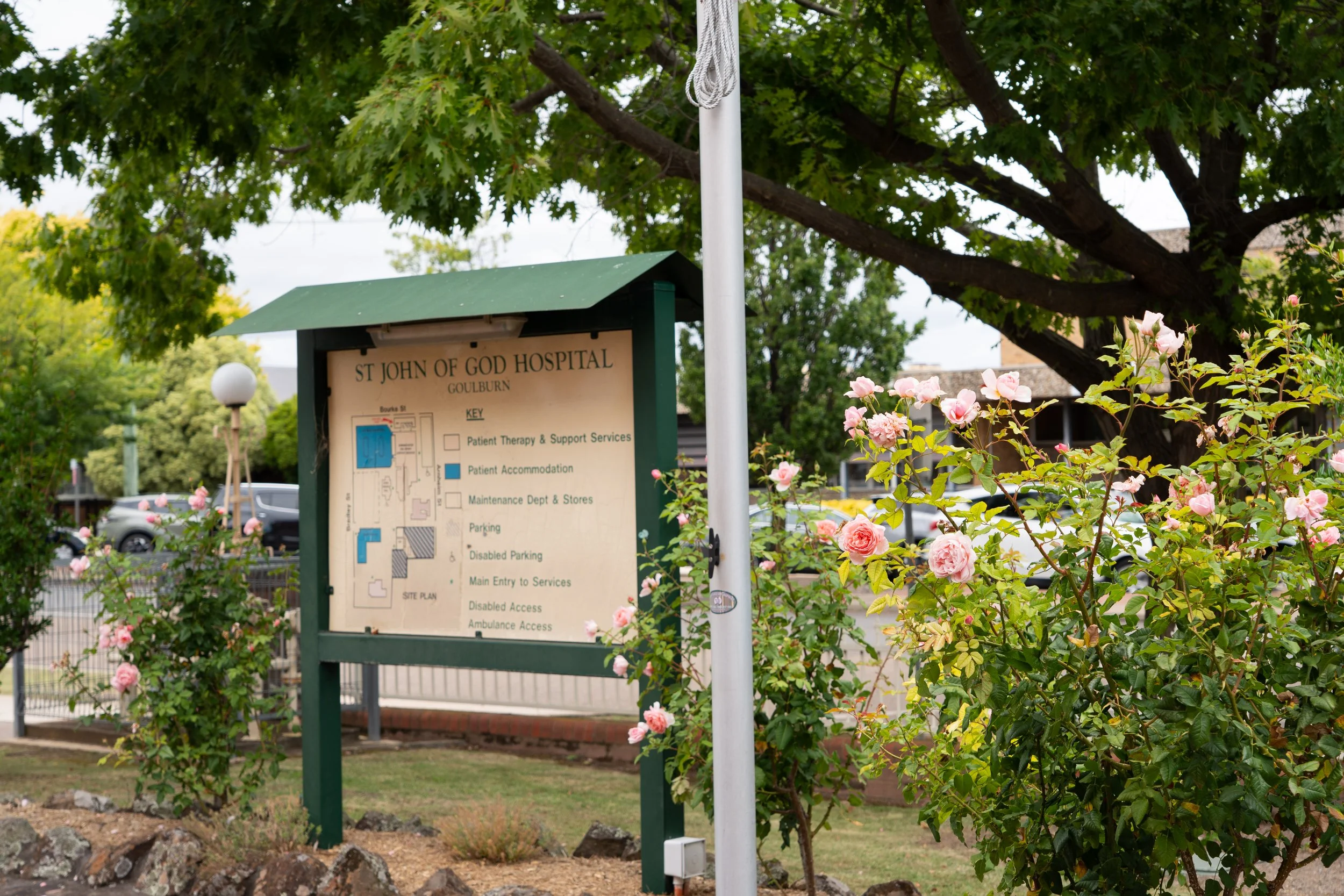
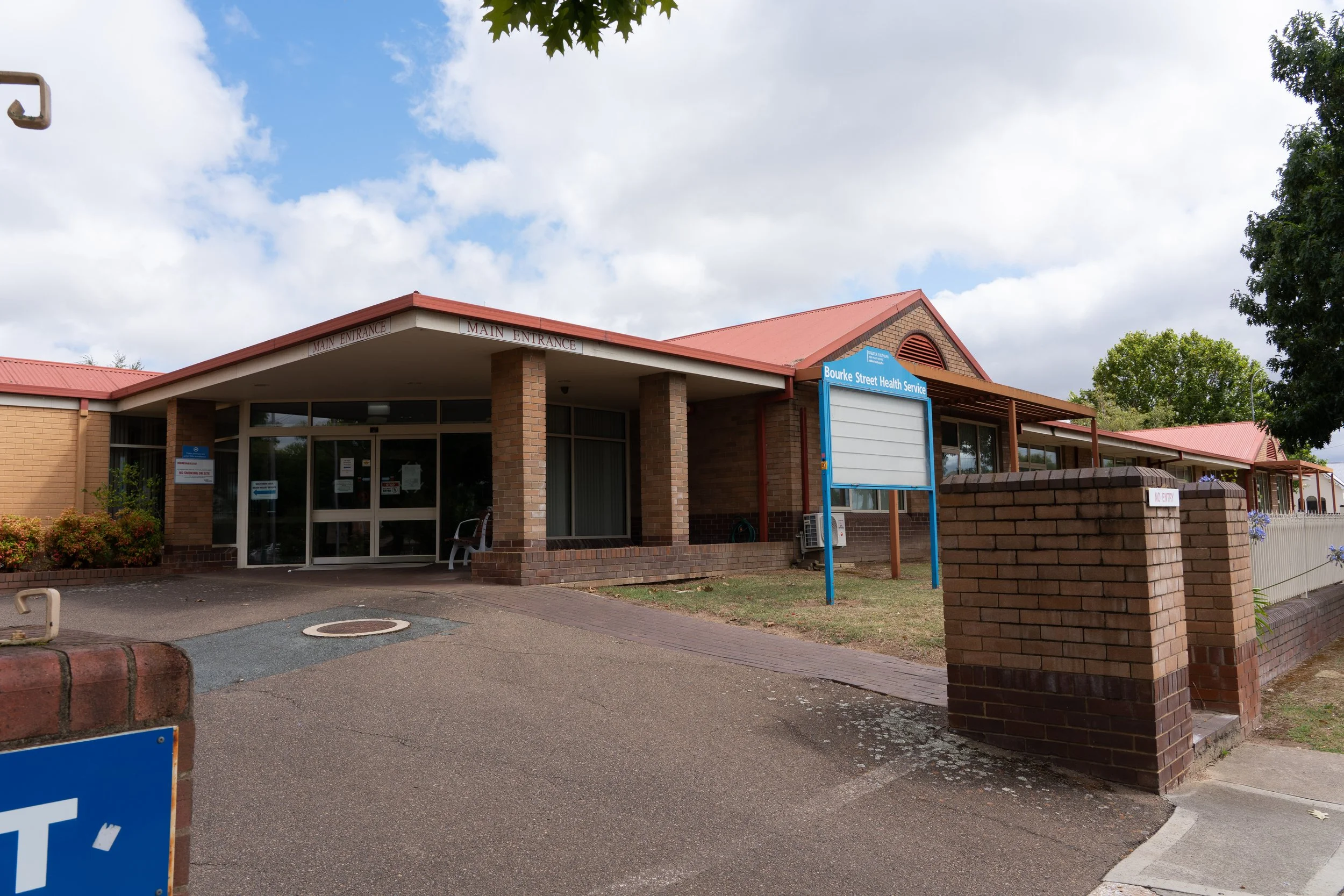
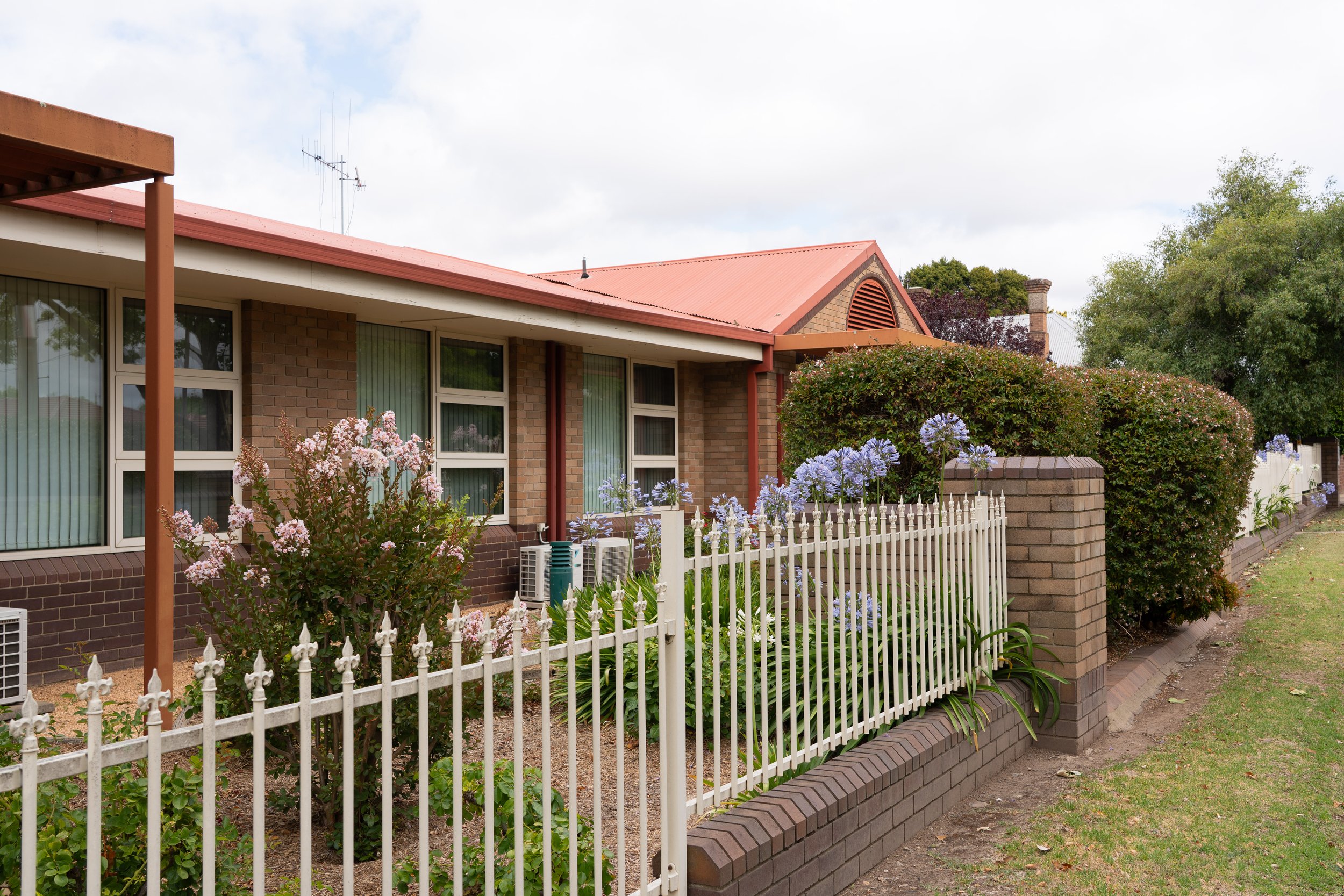
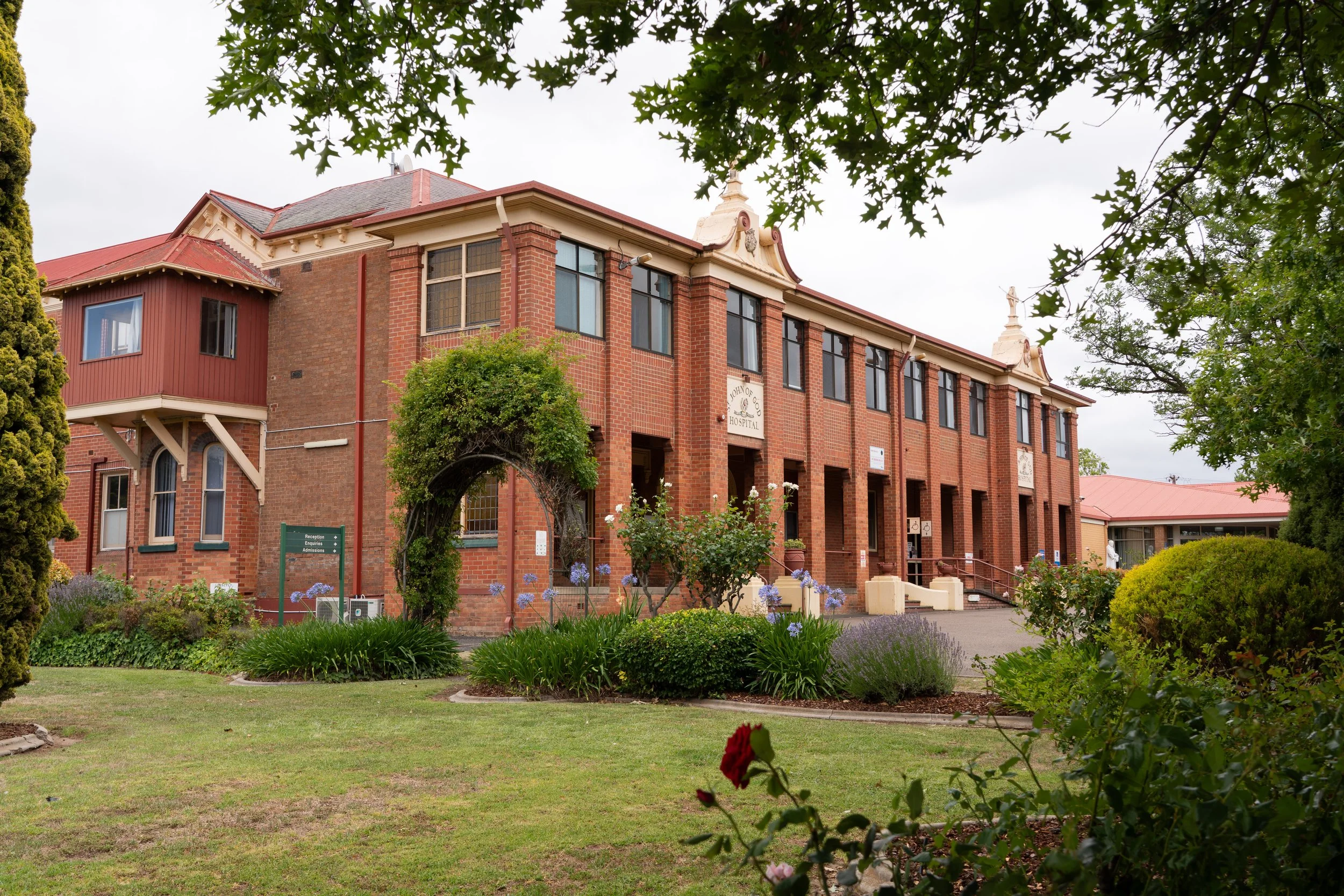

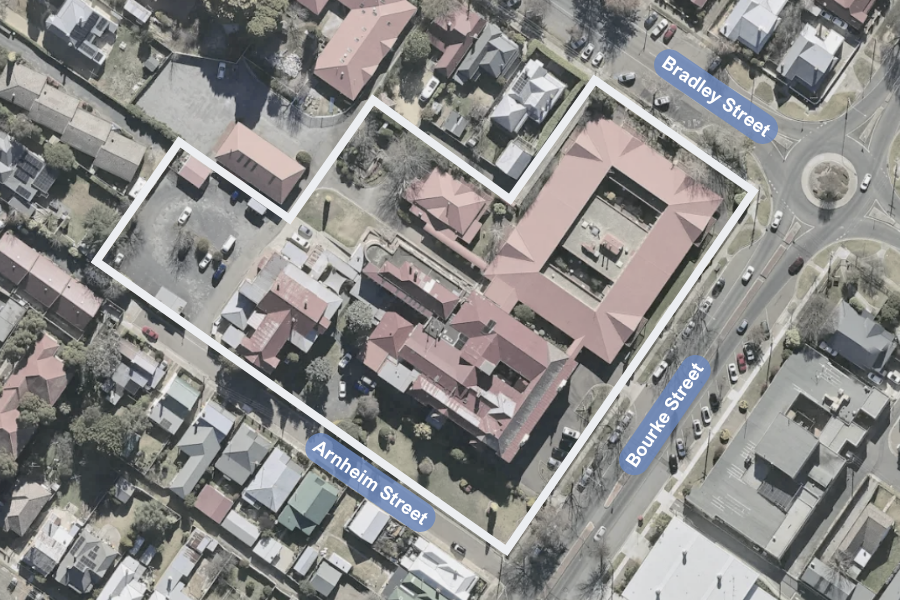
Located at 234 Bourke Street, Goulburn, the site spans 12,158m² and is zoned MU1 (Mixed Use).
The zoning allows for a combination of residential, commercial, retail and community uses.
The site is situated within an established area of Goulburn and is surrounded by residential properties, local shops and community facilities. It has good connectivity, with access via major roads, local bus routes and pedestrian and cycling paths.
Detailed Project InformationProposal
-
The site has supported the delivery of health services for almost 100 years, including the long-term operation of the St John of God Hospital.
Southern NSW Local Health District (SNSWLHD) has operated health services on the site since around 2005. In 2021, SNSWLHD formally notified the Catholic Archdiocese of Canberra and Goulburn of its intention to vacate 234 Bourke Street. The relocation of services occurred progressively over several years and as of early 2026, SNSWLHD no longer delivers health services from the site.
During this transition period, the Archdiocese worked with SNSWLHD to extend the lease as required to accommodate changing timeframes. Options to extend the lease for a longer term were available but were not taken up.
Since receiving notice of SNSWLHD’s departure approximately five years ago, the site owner, the Catholic Archdiocese of Canberra and Goulburn, has actively pursued alternative uses for the property.
The preferred outcome was the continued delivery of health-related services. To support this, a broad expression of interest process was undertaken, including direct approaches to 23 health and aged care service providers. None of those approached were prepared to operate health services from the whole, or part of, the site.
An application was subsequently made to the Commonwealth Government’s Housing Australia Future Fund (HAFF) to repurpose the Marion Wing for affordable housing. Unfortunately, this application was not successful.
As no positive outcome was achieved from these activities the Archdiocese has, over the past 18 months, been exploring non-health-related redevelopment options to secure a viable future for the site and avoid it remaining vacant.
-
The proposal involves the redevelopment of the site to establish a vibrant, mixed-use precinct that respects its heritage while meeting Goulburn’s contemporary needs. Key elements of the proposal include:
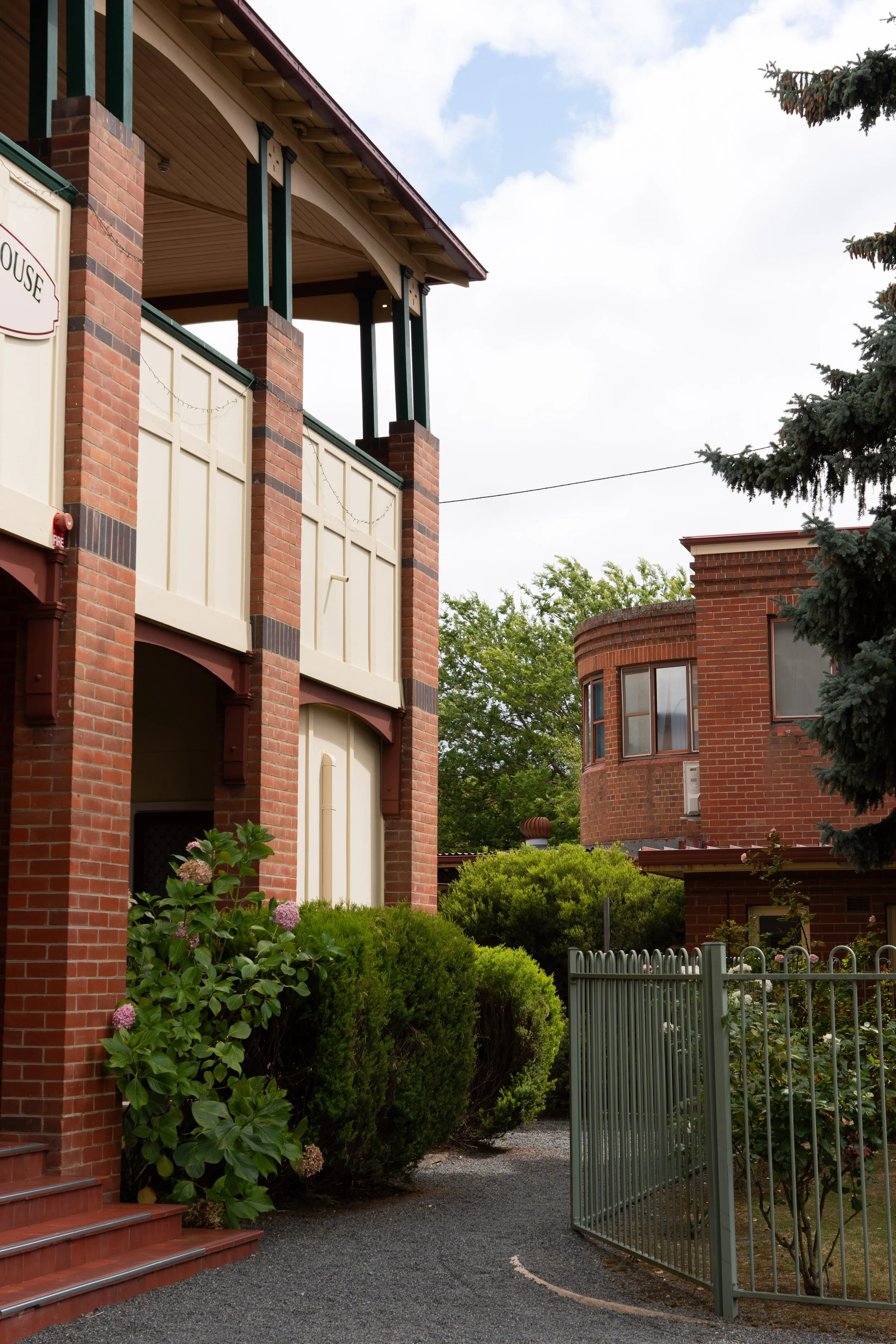
Retention of Mandala House: Preserving the existing Mandala House and supporting continued service delivery by We Help Ourselves. The proposal will also enhance Mandala House’s street presence to improve the streetscape and celebrate its heritage significance.
Adaptive reuse of Marian Wing: Repurposing the newer Marian Wing (part of the original hospital complex) into a motel, providing much-needed short-term accommodation in central Goulburn - particularly for those visiting the nearby Goulburn Base Hospital.
Demolition of the former St John of God Hospital building: Removing the outdated hospital structure to enable the new site concept and facilitate high-quality redevelopment.
Construction of new housing: Developing a mix of single and two-storey townhouses designed to contribute to housing diversity and respond to Goulburn’s growing demand for family homes and downsizing options.
Improved amenity: Create connected, landscaped spaces throughout the site to foster a sense of place, community and wellbeing for residents and visitors alike.
-
We Help Ourselves will continue to operate from Mandala House, with no change to its current service delivery.
The program continues to be funded by SNSWLHD, but the Mandala House facility is now managed by the Catholic Archdiocese of Canberra and Goulburn, rather than through SNSWLHD.
SNSWLHD is responsible for the relocation of all health services previously delivered from the site.
-
The primary issue we have encountered in trying to find a new health related use for the former hospital building is that it no longer meets contemporary requirements for a modern health facility. This, together with the high cost of operating an ageing and inefficient building, has been a key factor in potential health and aged care providers deciding not to operate from the site.
The building was constructed and extended incrementally over more than 50 years. This has resulted in a highly complex internal layout, limited natural light in many areas and inefficient circulation that cannot be readily resolved through renovation. The age of the building also means it relies on outdated and expensive-to-run infrastructure, including heating systems that significantly increase operating costs. Some of the older parts of the building are affected by age-related issues such as rising damp, subsidence and water leaks.
While the building incorporates an original dwelling, successive extensions have largely obscured this structure. As a result, the building does not represent a cohesive or intact example of a particular historical period. There are, however, individual elements of heritage interest within the building, and opportunities to retain or reinterpret these elements are being explored.
With guidance from Goulburn Mulwaree Council’s heritage advisers, Mandala House was identified as having greater heritage significance and will be retained. The proposed site layout is designed to bring Mandala House into clearer focus, including a new green avenue from Bourke Street that frames the building and reveals this historic asset more prominently than is currently the case.
-
The Catholic Archdiocese of Canberra and Goulburn will retain ownership of the site throughout the development process. Upon completion, the Archdiocese will maintain ownership of Mandala House and the Marion Wing, along with their associated parking areas, which together comprise approximately 50 per cent of the site.
Mandala House will continue to be leased to and operated by We Help Ourselves (WHOs).
While final arrangements are yet to be confirmed, it is anticipated that the new townhouses will be individually sold under a strata plan.
-
The site layout has been shaped by a genuine commitment to achieving positive social, heritage and planning outcomes, as well as by the decision to retain and repurpose key buildings. These existing structures have guided the placement of new buildings, open spaces and access points, ensuring the design responds sensitively to the site’s heritage, character and physical constraints. The result is a cohesive, well-connected precinct that balances respect for the site’s past with a forward-looking vision for its future.
The design brief included clear ambitions for the project:
Delivering high-quality, practical and enduring design outcomes that meet community expectations and support long-term sustainability.
Using durable, low-maintenance materials and efficient layouts to ensure functionality and longevity.
Creating a diverse and vibrant precinct that appeals to a broad range of residents and visitors.
Designing buildings and streetscapes that are sympathetic to the local character and scale of Goulburn.
Maximising solar access and natural light to living areas and open spaces.
Providing safe and convenient vehicle, pedestrian and cycle movement, with appropriate parking and traffic management.
Establishing green corridors and landscaped spaces that promote community interaction, wellbeing and a strong sense of place.
Celebrating the site’s heritage through adaptive reuse and design responses that keep its history visible and valued.
-
The project team has consulted with Goulburn Mulwaree Council’s heritage advisors during early development studies to understand heritage values on the site. The resulting insights are guiding the design process and will be formally documented in a Heritage Impact Assessment submitted with the development application.
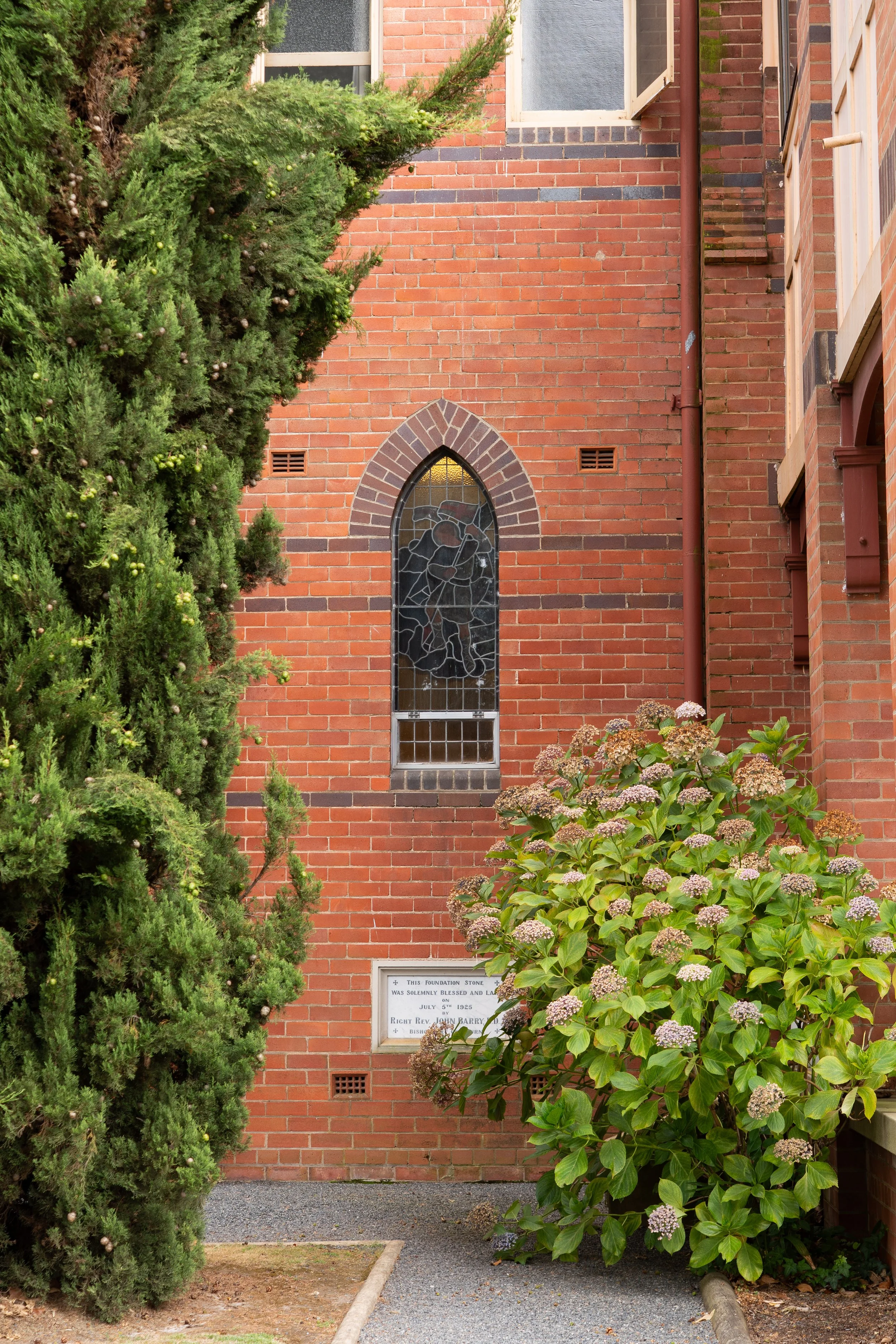
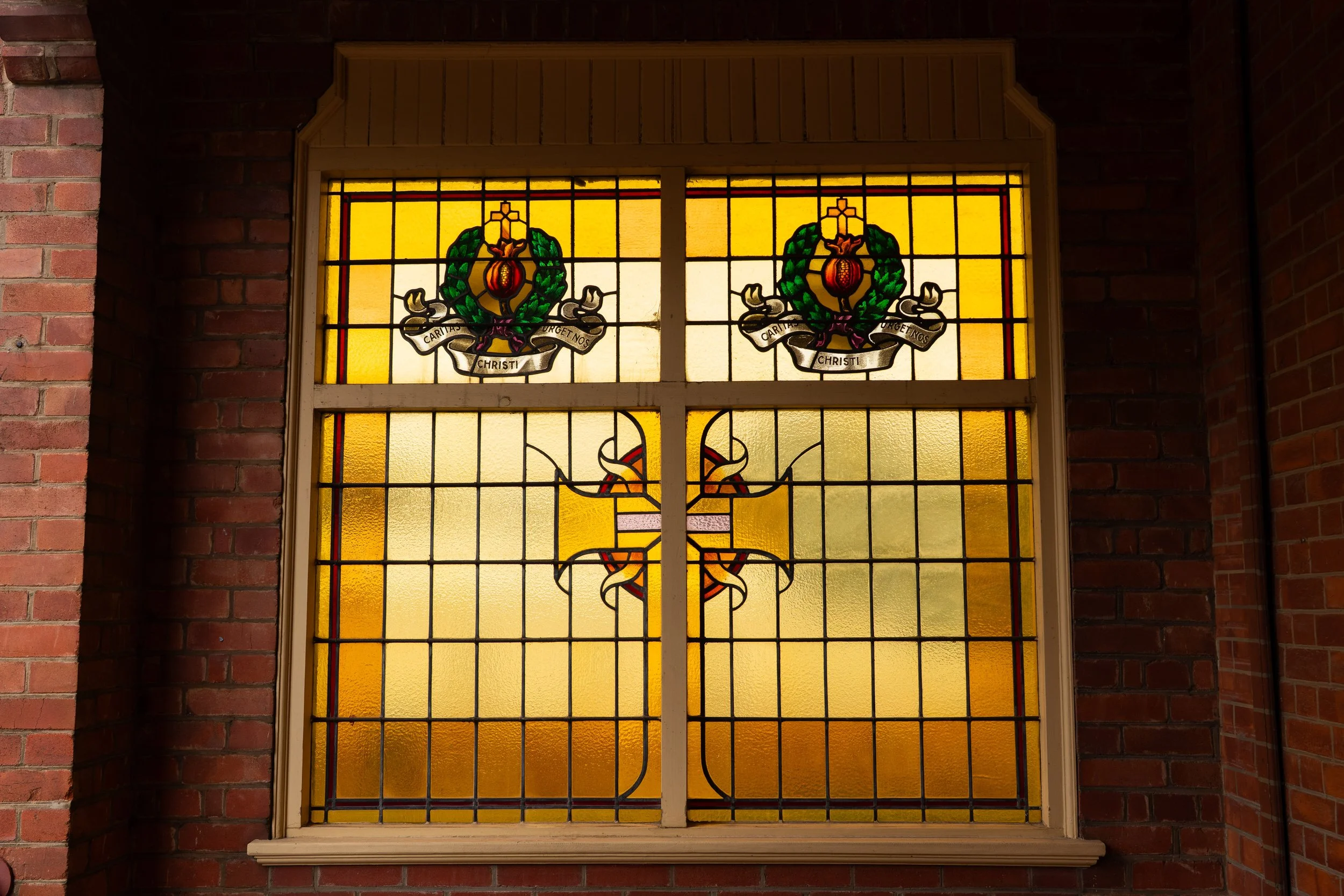
A key focus is to preserve and reuse selected elements from the original hospital within the new development as a lasting acknowledgment of the site’s long history of community service. With input from Council’s heritage advisors and community feedback, these may include features such as the foundation stone, original stained-glass windows and doors. During the consultation process, the community has identified several other important artefacts, such as a time capsule and commemorative plaques, which will be preserved and included on the updated site.
Interpretive signage and storytelling opportunities in publicly accessible areas are also being explored to share the site’s heritage and ensure its community significance continues to be recognised and celebrated.
Elements from the existing hospital building will also be made available to building salvage operators for reuse.
-
Yes. Over the past five years, the Archdiocese has undertaken an extensive process of market investigation and expressions of interest to explore a range of potential future uses for the site, with a strong preference for continued health or aged care services.
While some initial interest was shown in the Marion Wing (the newer hospital building), further investigations confirmed it was not suitable for the proposed purposes.
A detailed feasibility study led by the Archdiocese, HTI Group and a professional design team also examined several other options, including a multi-storey commercial or apartment development but these were found to be unviable at this time.
-
Mandala House is a drug and alcohol-free residential facility in Goulburn that houses the Therapeutic Community (TC) program operated by We Help Ourselves (WHOS). It provides a safe environment for adults with a history of drug-related harm to receive treatment for their dependence and associated issues. On 18 August 2025, Mandala House celebrated four years of providing treatment to the local and regional communities, during which time it has built strong links with local services to deliver a collaborative approach to recovery. The program uses a holistic, evidence-based TC model to foster personal growth, support abstinence, and address the individual’s psychosocial needs, with harm minimisation and mental health initiatives integrated throughout.
WHOS provides a range of services, including individual and group counselling, family support, day programs, pre-employment and vocational pathways, specialist medical and mental health services and aftercare support. Engagement with the wider community is a key part of treatment, and residents regularly participate in local events and activities.
-
The proposed townhouses are designed to appeal to a broad section of the community, including young professionals, downsizers and growing families who are seeking high-quality, low maintenance homes within a well-connected and community focused precinct close to the Goulburn CBD.
A mix of single and double-storey three-bedroom townhouses is proposed, offering a range of layouts to suit different lifestyles. Each home is designed for open plan living, with an emphasis on natural light, privacy and strong connections to outdoor spaces. Practical inclusions such as ground floor powder rooms and double garages are also provided.
The townhouses are intended to be delivered to a high standard, using durable and timeless materials that complement the character of the local area. Interiors will feature refined finishes and a fresh, contemporary palette combining comfort, functionality and long-term quality to ensure lasting appeal and value.
-
The precinct’s design has been carefully shaped to respond sensitively to the surrounding residential character and built form, with a focus on complementing existing neighbourhood patterns and protecting the amenity of nearby residents.
Key design principles include:
Avoiding new driveways and garages fronting Bourke Street.
Providing appropriate setbacks from adjoining properties and streets.
Locating two-storey homes to maintain building separation, ensuring privacy and minimising overshadowing.
Designing building forms and rooflines that are sympathetic to Goulburn’s established residential character.
Enhancing the residential character of Arnheim Street with residences that align with the existing scale of the streetscape and provide adequate parking
-
Impacts during construction will be carefully managed to minimise disruption to the surrounding community and environment. A detailed Construction Management Plan will guide all works and ensure compliance with safety and environmental standards. Key strategies include:
1. Site Management & Safety
Secure fencing and clear signage to protect public safety.
Controlled access points to limit unnecessary traffic and maintain security.
2. Noise & Dust Control
Scheduling higher-impact activities during approved hours.
Strict adherence to permitted working times.
Dust suppression measures such as water spraying and covering stockpiles.
3. Traffic & Access
A Construction Traffic Management Plan to minimise congestion and maintain safe access for residents.
Coordination with local authorities to manage any temporary road closures or diversions.
4. Environmental Protection
Erosion and sediment controls to protect nearby waterways and green spaces.
Waste management practices to reduce pollution and encourage recycling.
5. Community Communication
A dedicated contact point for enquiries or concerns during the construction phase, supported by clear and timely communication about upcoming activities.
Urban Planning
-
The site is at 234 Bourke Street, the former location of the St John of God Hospital and Bourke Street Health Services
-
The site is owned by the Trustees of the Catholic Archdiocese of Canberra and Goulburn.
-
The site is currently zoned MU1 - Mixed Use. This zoning allows for a combination of residential and commercial activities, including various forms of residential accommodation and hotel or motel uses.
The objectives of the MU1 zone include encouraging a diversity of land uses, supporting the integration of housing and business activities, promoting walking and cycling and creating vibrant, functional streets.
The proposal aligns with these objectives by providing a complementary mix of housing types and a modest commercial use through adaptive reuse of the Marian Wing as a motel. Overall, the development is consistent with the intent and outcomes anticipated within the MU1 - Mixed Use zone.
-
The site is located within the Goulburn City General Conservation Area. None of the buildings on the site are heritage-listed.
-
A detailed Traffic and Parking Assessment will be prepared to form part of the supporting materials required for the Development Application and will ensure the proposal can be safely and efficiently supported by the local road network.
The design of the development provides required parking on-site, including spaces for residents, visitors, service vehicles, and motel guests, thereby minimising demand for on-street parking. Limited overflow parking is expected to be accommodated along the site’s street frontage where appropriate.
The assessment will also consider access points, road safety and pedestrian connections to ensure traffic movements are managed responsibly and that safe, convenient access is maintained for both residents and the surrounding community.
Engagement
-
You can share your thoughts via the feedback form on the project webpage www.purdon.com.au/live-engagements
Once the DA is formally submitted, Goulburn Mulwaree Council will run its own public notification process, offering a further opportunity for community input.
-
The purpose of this engagement is to provide clear and accessible information about the proposal and invite community feedback before the Development Application (DA) is lodged. Your input will help refine the proposal to ensure it reflects local priorities and responds to community needs.
-
Consultation will close at 11:59pm on Friday 27 February 2026.
-
A Development Application (DA) is currently being prepared for submission to Goulburn Mulwaree Council (GMC), with lodgement anticipated early in the second half of 2026. The DA will be assessed and determined by Council.
Once lodged, the proposal will be publicly notified in accordance with Council’s Community Participation Plan. This will provide the community with an opportunity to review the application and make a formal submission. All submissions received will be considered by Council as part of its assessment and determination of the DA.
Note:
Under the current planning framework, the threshold for Regionally Significant Development is a Capital Investment Value (CIV) of $30 million, or $5 million for Council-related development. The proposed development is not expected to exceed this threshold and is therefore anticipated to be assessed and determined by Goulburn Mulwaree Council.
The NSW Government’s 2025 planning reforms include provisions to replace Regional Planning Panels with Local Planning Panels across all local government areas in NSW. The timing and implementation of these changes are still subject to consultation with local councils.
Based on the anticipated timing of the Development Application, these reforms are not expected to affect the assessment or determination of this proposal.
-
The feedback we receive will be used to inform the design for the site ahead of lodgement of the development application in early 2026.
All input received during the engagement period will be carefully reviewed to identify key themes, ideas and concerns shared by the community. These insights will be shared with the project’s design and planning teams to explore how the proposal can accommodate local concerns and aspirations within the scope of the project.
A public report will be published on this website following consultation, summarising the feedback that was received.
-
A report documenting the results of this engagement will be lodged with the forthcoming DA and available to the public during Goulburn Mulwaree Council’s public notification process.

Engagement OpportunitiesCommunity engagement occurred between the 2nd-27th of February 2026. Feedback on the proposed Bourke Street Redevelopment is now closed. Thank you for your submissions.